
Black Muslim Psychology Conference [BMPC]
Travel
Guide
December 17–19, 2026
Dakar + Gorée Island, Senegal
Your BMPC2026 journey begins before you arrive in Dakar.
This page offers practical guidance to help attendees plan travel to Dakar and Gorée Island, Senegal for BMPC2026: Rasikh — What We Carry Forward. Conference registration covers your time at BMPC, but attendees are responsible for booking their own flights, lodging, airport transfers, travel documents, and personal expenses. This guide is intended as a starting point, especially for those traveling to Senegal or West Africa for the first time.
Here you’ll find information on flights, suggested arrival timing, recommended hotels and neighborhoods, airport and city transportation, currency, travel documents, cultural practices and other helpful planning notes. We encourage you to book early, confirm details directly, and allow enough time to arrive rested and ready to join the gathering on Thursday December 17, 2026.
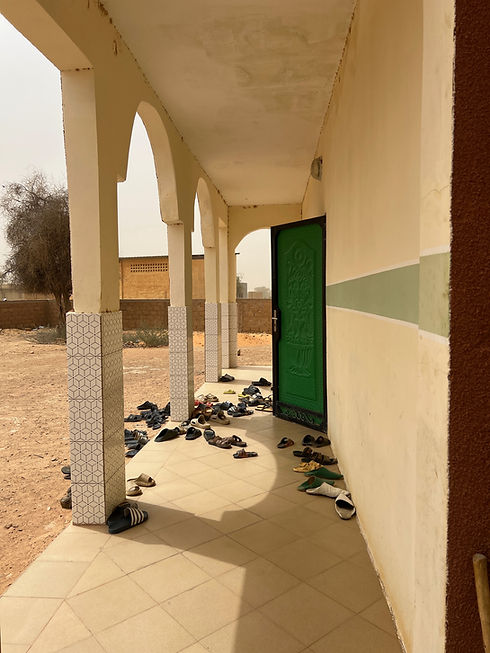
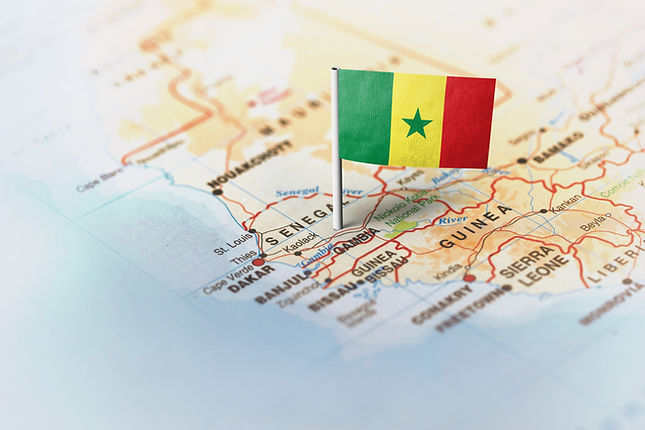
New to Senegal or planning your first visit to West Africa? Start here for a quick overview of the country, including language, currency, time zone, cultural context, and basic travel notes for BMPC2026 attendees.
Dakar + Gorée Island
BMPC2026 is rooted in the question:
What has endured across generations and geographies — and what are we called to carry forward now?
Dakar and Gorée Island provide meaningful answers to those questions.
Dakar is the capital city; one whose past and present serve as beautiful examples of West African intellectual, cultural, spiritual, and civic life. Gorée, according to the United Nations, is "a somber reminder of the transatlantic slave trade. Listed as a UNESCO World Heritage Site, it embodies both the duty to remember and the challenges of passing on a painful past. But Gorée is not stuck in history; it's an inhabited island, where heritage preservation, daily life and contemporary issues coexist."
Together, these sites help frame the work of BMPC2026: to remember what has been obscured, reconnect across histories of rupture, and reclaim Black Muslim futures with greater clarity and care. This gathering includes traveling to Senegal AND preparing to enter a Black Muslim Atlantic space shaped by history, faith, scholarship, kinship, displacement, creativity, resilience, and repair. As you prepare for BMPC2026, we invite you to learn about Dakar and Gorée Island not simply as destinations, but as places that will help shape the questions, responsibilities, and possibilities we carry into the gathering.
A City of Arrival, Movement, and Cultural Life
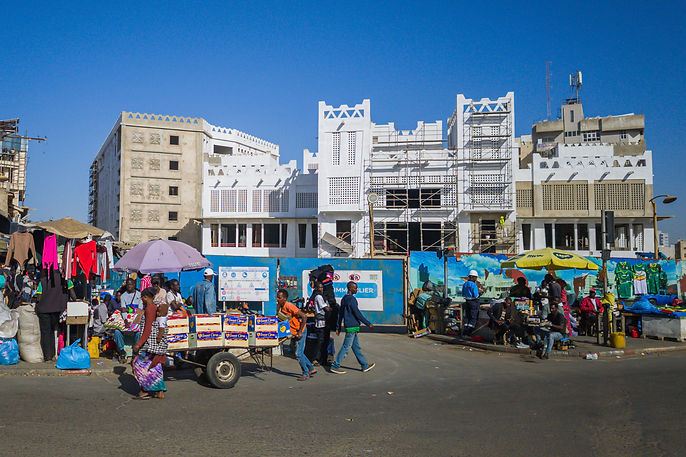
Dakar sits on the Cap-Vert peninsula, at the westernmost edge of the African continent. As Senegal’s capital, it is a major center of political life, education, culture, commerce, art, music, faith, and public memory. It is also a coastal city shaped by movement — of people, languages, ideas, trade, migration, scholarship, and return. For BMPC2026, Dakar will serve as our first gathering place.
A Site of Memory, Pilgrimage, and Reflection
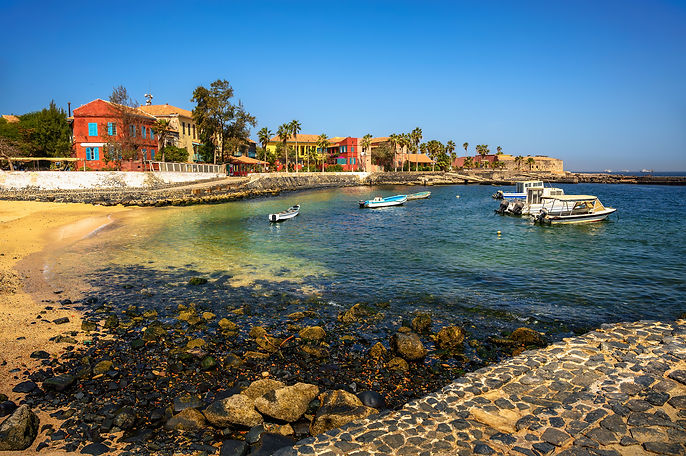
Just off the coast of Dakar, Gorée Island is a UNESCO World Heritage Site and one of the most recognized places of remembrance connected to the transatlantic slave trade. At the same time, Gorée is not only a site of suffering or a monument to the past. It is also a living community, home to residents whose daily lives, families, livelihoods, creativity, faith, and relationships continue beyond the histories of violence the island holds.
Planning your journey to BMPC2026? Start here.
We’re glad you’re considering the journey to Dakar and Gorée Island for BMPC2026: Rasikh — What We Carry Forward. This travel guide is designed for BMPC2026 attendees who are making their own travel arrangements to Senegal, especially those traveling from the United States or visiting Senegal or West Africa for the first time. International travel requires time, care and thoughtful planning, and this guide is meant to help you do just that!
We strongly recommend beginning this process by booking a travel consultation with Aidah Z. Muhammad, BMPC Planning Committee Member and Founder of Touchdown Experiential & Hospitality Group. A consultation can help you develop a solid travel plan, think through flight routes, lodging, arrival timing, local transportation, and options for extending your stay before or after the conference.
Use the sections below to explore practical guidance on flights from the U.S., where to stay, travel consultation, getting around Dakar, and key things to know before you go. Each section offers a starting point rather than a complete travel itinerary. Attendees should confirm all details directly with airlines, hotels, travel providers, and relevant government or health authorities before booking. Begin with the area most relevant to you — and take the next step in preparing for BMPC2026.



Prepare
for the Journey
BMPC2026: Rasikh — What We Carry Forward
December 17–19, 2026
Dakar + Gorée Island, Senegal
BMPC2026 is an invitation to remember truthfully, reconnect responsibly, and reclaim futures rooted in dignity, faith, healing, and collective care. As we gather in Dakar and on Gorée Island, we do not come seeking symbolic return alone. We come to honor memory, build relationship, and deepen our shared responsibility to the past, present, and future of Black Muslim life.
As a flagship initiative of Muslim Wellness Foundation’s Omar ibn Said Institute for Black Muslim Studies & Research, BMPC advances Black Muslim Psychology as an interdisciplinary field of inquiry, practice, and community-rooted knowledge production that centers the lived experiences, strengths, spiritual lives, racial identities, cultural traditions, and psychological well-being of people who identify as both Muslim and of Black/African descent. We seek to understand how Black Muslims make meaning, cultivate belonging, develop healthy racial and religious identities, heal from trauma, resist oppression, and build lives rooted in dignity, faith, joy, and self-determination.
Lastly, Black Muslim Psychology insists that Black Muslim life cannot be understood through suffering and deficit-based frameworks alone. We reject narratives which only ask:
"What harms Black Muslims?"
and ignore deeper, more fundamental questions such as:
"What sustains Black Muslims? What wisdom do Black Muslim communities carry? What forms of healing, leadership, and liberation emerge from Black Muslim life?”
Developed and advanced by Muslim Wellness Foundation since 2015, Black Muslim Psychology responds to a long-standing gap in psychology, counseling, public health, religious studies, and Muslim community life: the failure to adequately understand Black Muslims on their own terms.